Current Board
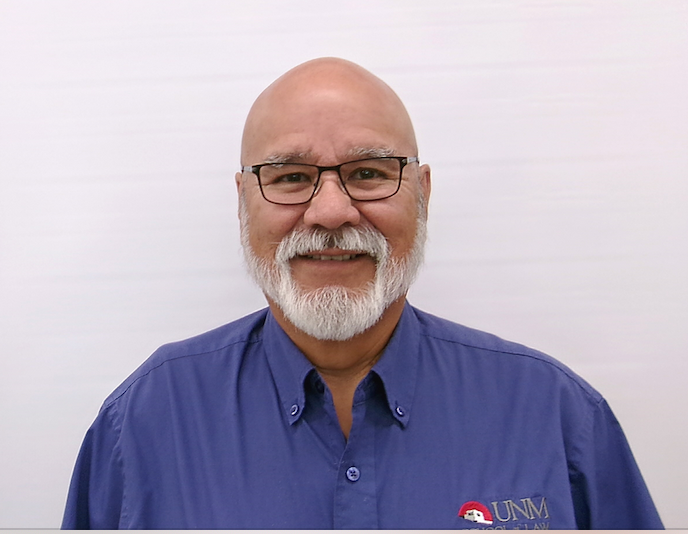
Homer hubbell
President
Homer Hubbell is CEO of Hubbell Properties. He graduated Suma Cum Laude in the Psychology Honors Department in May 2015 from the University of New Mexico (UNM) with a minor in English. Homer's undergraduate research thesis was on retention of Native American students at UNM. He also served on the Foundations of Excellence (FoE) Task Force established by UNM President Robert Frank. Within this Taskforce, he is an active member of The Roles and Purposes committee responsible for reviewing and recommending solutions pertaining to UNM Freshman retention. Homer served as the President and Academic committee chairperson of Beta Sigma Epsilon a multicultural Greek fraternity at UNM. In these positions he provided guidance to maintain membership GPA standards and support for graduation. He has served as Public Relations officer for KIVA Club. Homer is a 2013 Robert E. McNair scholar and is a 2013 Udall Foundation scholar. Homer has served as the former president for the DSCI.
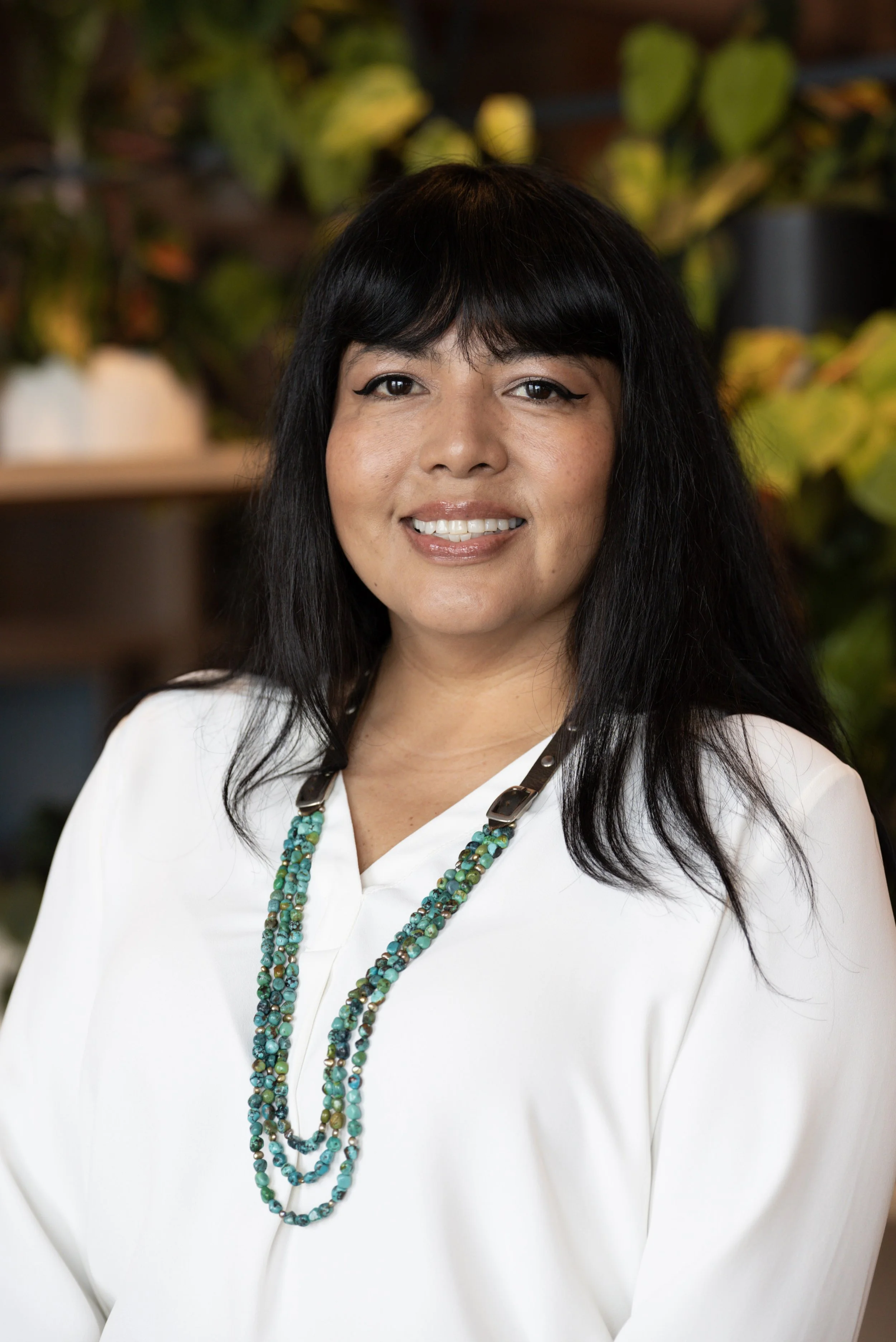
Adrian Lerma
Vice-President
Adrian Lerma is Diné, born and raised on the Navajo Nation in the small community of Tuba City, Arizona. Her clans are: Naakai Dine’é - Naash't'éezhí Tábaahá - Tł'izhíłání – Táchiinii. She holds a Bachelor of Science degree in Women’s and Gender Studies with a concentration in Applied Indigenous Studies, as well as a Master of Organizational Leadership degree from Northern Arizona University. She is the owner and Executive Director of Yahuaca Knowledge Distribution LLC, a Native-owned and women-owned business that provides professional research and consultation services to create pathways to success for entrepreneurs, non-profits, academic institutions, and Tribal Nations. With over 14 years of experience in the nonprofit sector, Adrian is a fundraiser, strategist, and Indigenous community advocate whose career spans economic development, philanthropy, conservation, and cultural preservation. Her inspiration is to walk in the steps of Asdzą́ą́ Nádleehé, trust the plan of Na'ashjé'íí Asdzáá, and live her grandparent's values: Sa’ah Naaghai Bik’eh Hozhoon.
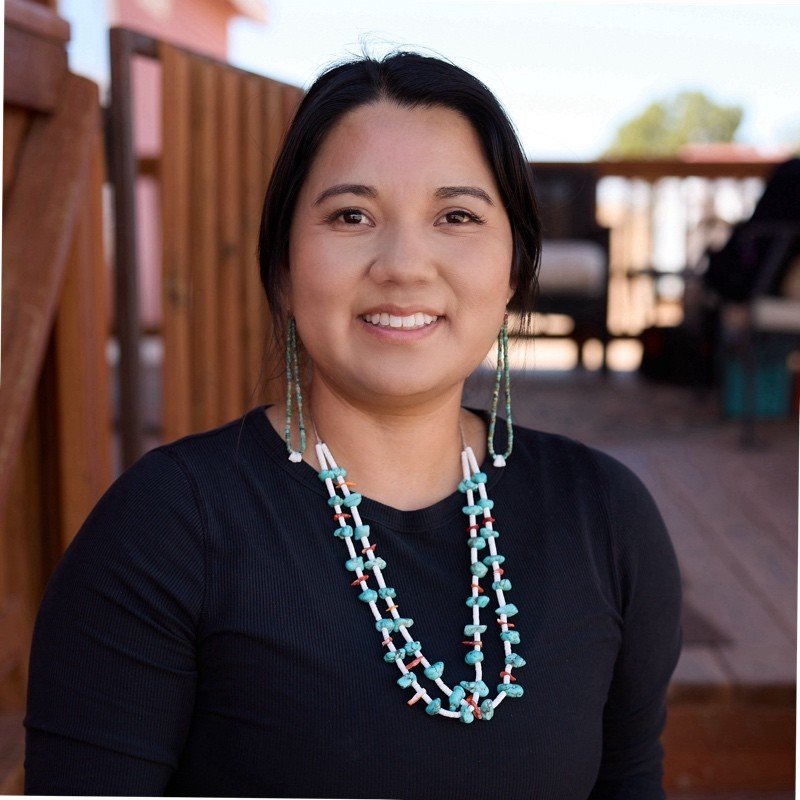
Taylor Billey
Secretary
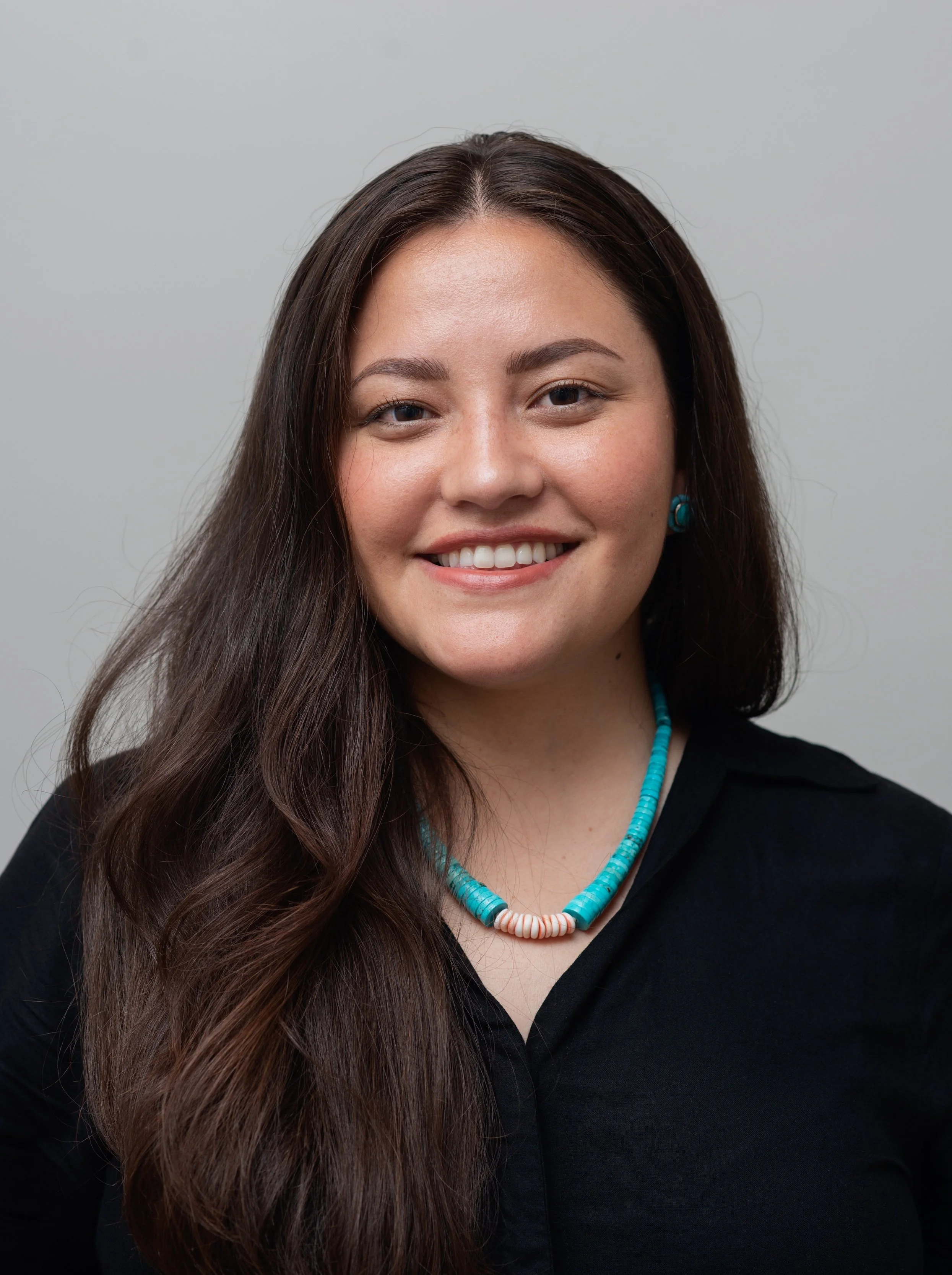
Taylor is Diné, from Kirtland, NM. She is a Research Coordinator with the Johns Hopkins Center for Indigenous Health, where she serves the community of Shiprock, NM and other surrounding communities on the Navajo Nation. Her work focuses primarily on maternal and child health. She is passionate about pursuing health equity for Indigenous Peoples and increasing Indigenous representation in public health research.⠀
Isabella Shey Robbins
Treasurer
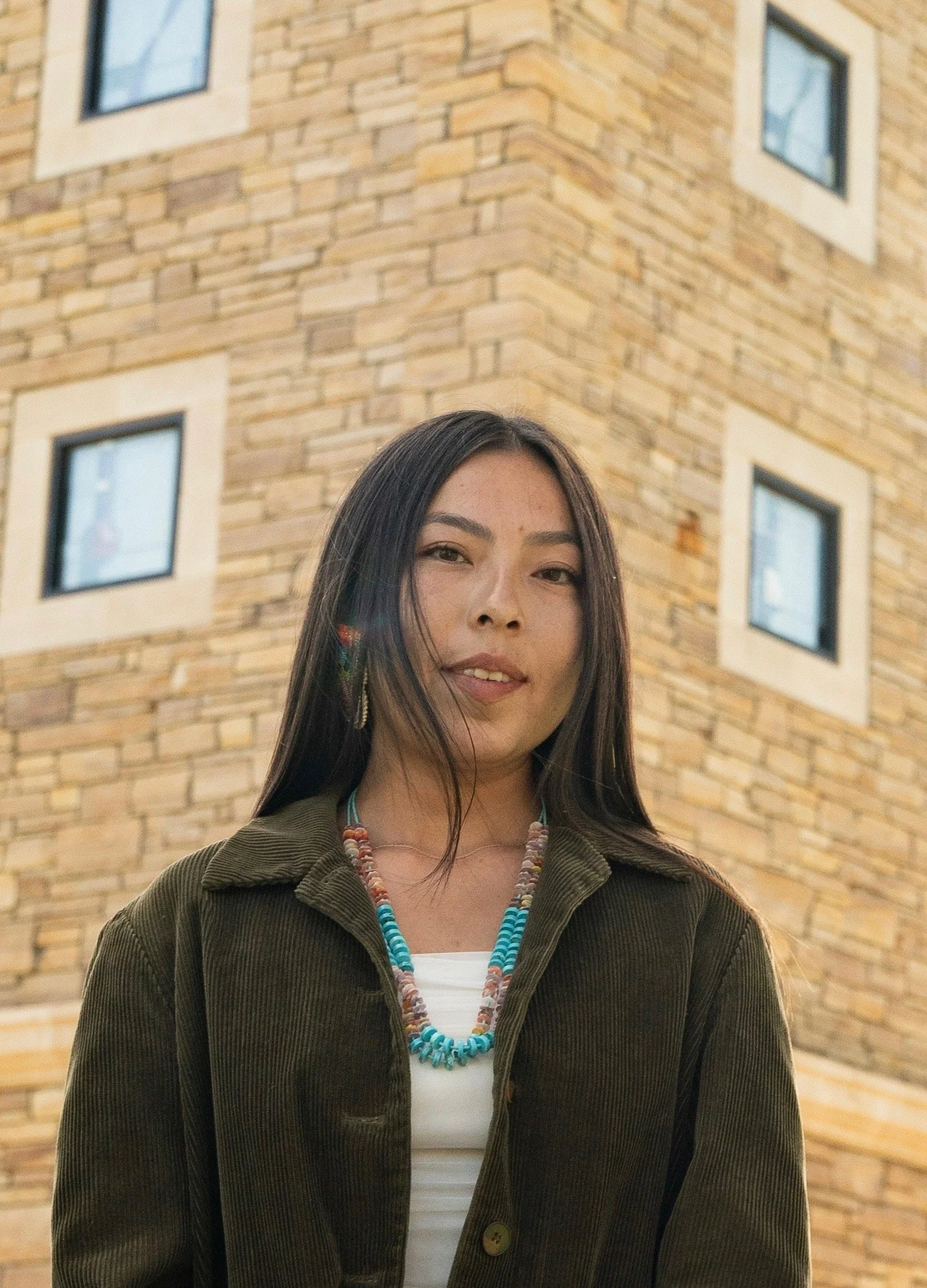
Isabella Shey Robbins is a scholar, curator, & educator from Cameron, AZ. She received her Ph.D. in the History of Art and American Studies from Yale University in May 2026. She has over a decade of teaching, curatorial, & research experience. Broadly, her research considers contemporary artists’ relationship to indigeneity (as both an identity and a concept), land, and transit, as well as the cultural, environmental, and legal histories across Australia, Canada, and the U.S. Her research has been supported by the School for Advanced Research where she held the Katrin H. Lamon Fellowship (2024-25) and the Center for the Study in the Visual Arts at the National Gallery of Art where she was a Chester Dale Fellow (2024-26). She also earned an M.A. in Public Humanities from Brown University and a B.A. in Art History from Stanford University. In fall 2026, she will join the Art History department at the University of Arizona as an assistant professor. She proudly serves as the treasurer of the Diné Studies Association.
brittany bitsilly
Board Director
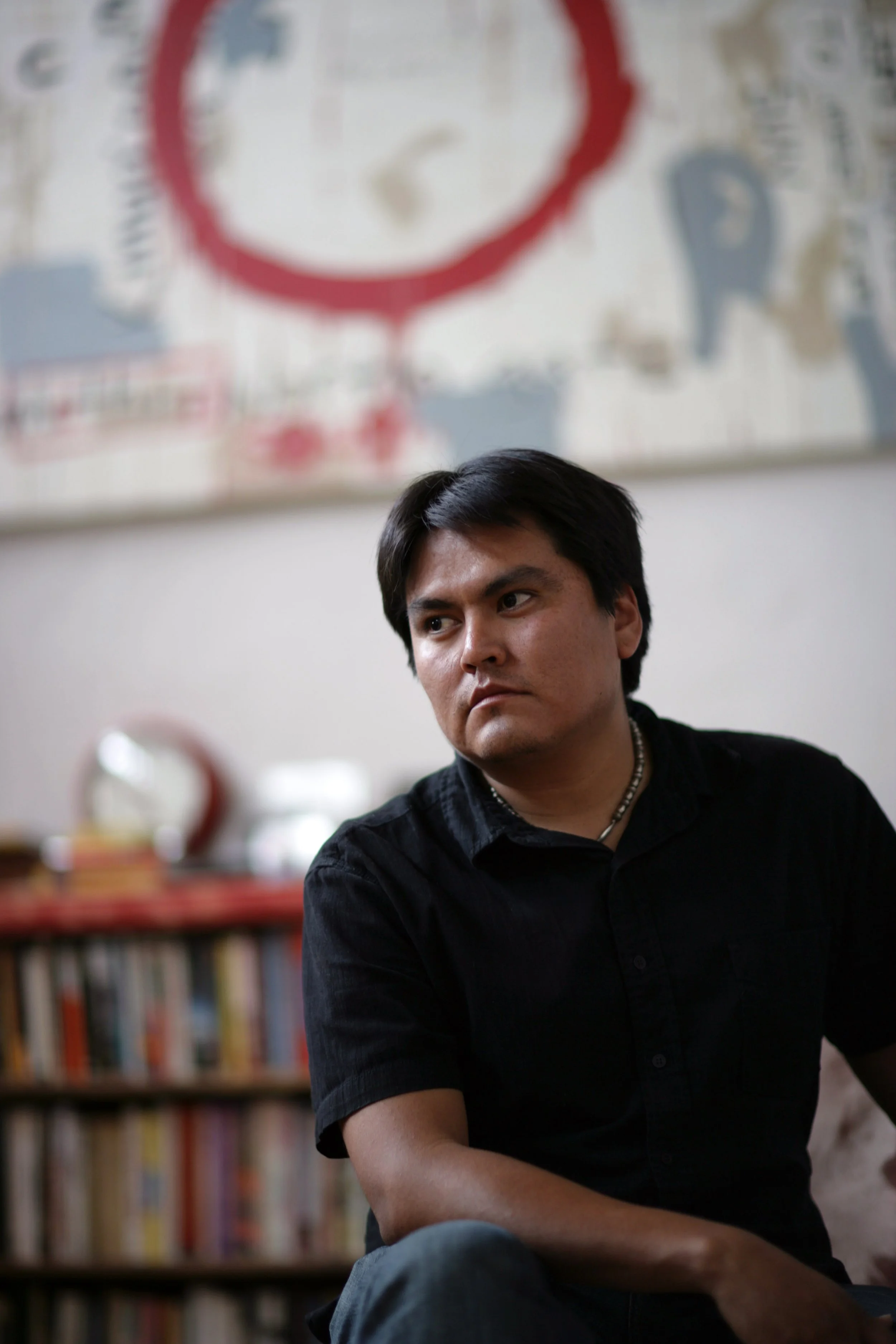
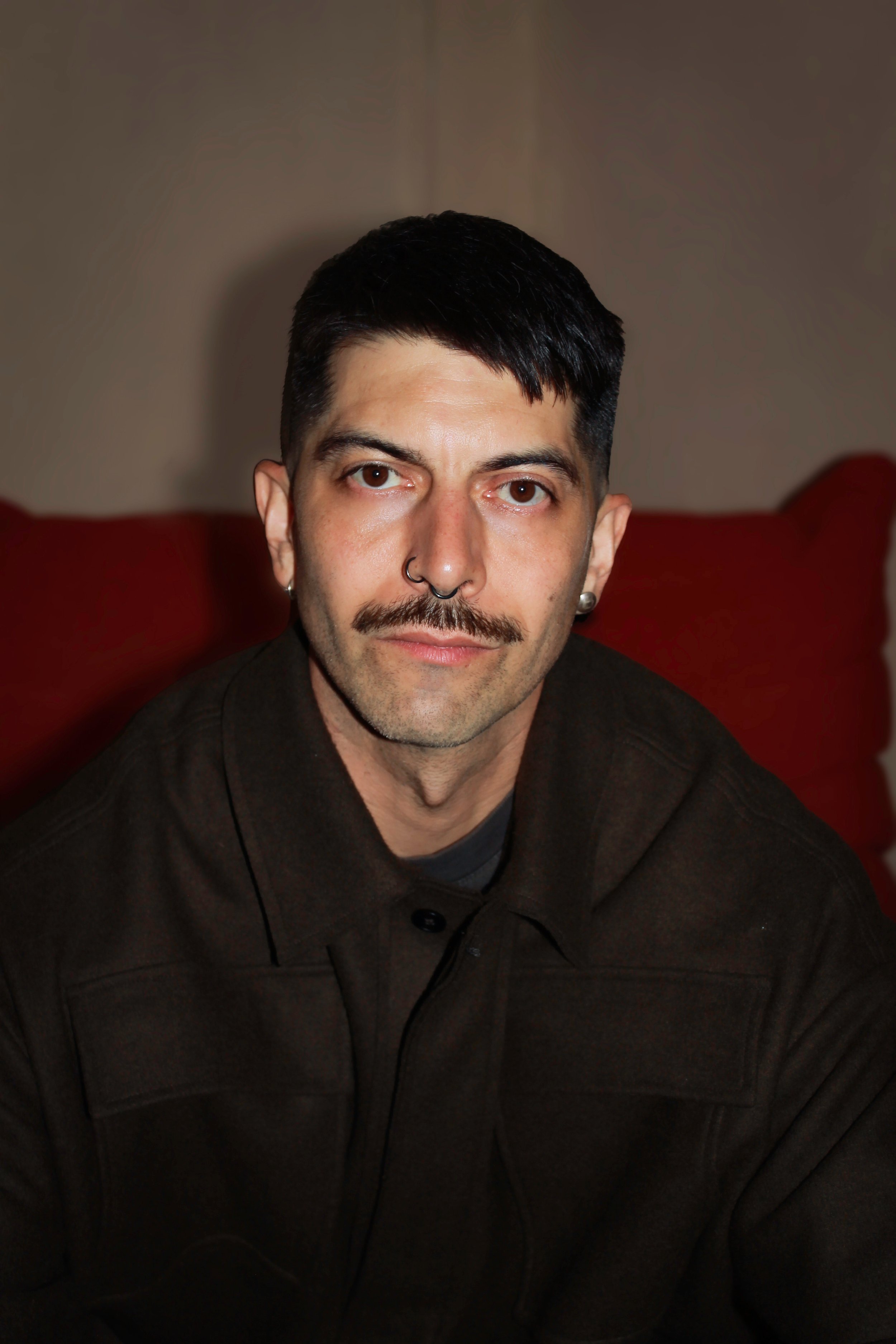
Brittany Bitsilly is from the Chuska mountain range in Crystal, New Mexico. She earned dual Bachelor of Arts degrees in Political Science and Native American and Indigenous Studies from Fort Lewis College, along with a minor in Gender and Sexuality Studies.
Brittany is currently pursuing a Master of Education in the Leading in Context program at Fort Lewis College. Her work centers on Diné governance, self-determination, and community empowerment. Her research focuses on gender inequalities in tribal governance and explores curriculum development centering Diné philosophy. She is passionate about helping others and strengthening pathways for future generations through education, leadership, and cultural preservation.
Sherwin Bitsui
Board Director
Sherwin Bitsui is originally from White Cone, Arizona, on the Navajo Reservation. He is Diné of the Todich’ii’nii (Bitter Water Clan), born for the Tl’izilani (Many Goats Clan). He is the author of Shapeshift (University of Arizona Press, 2003), Flood Song (Copper Canyon Press, 2009), and Dissolve (Copper Canyon Press, 2018). His honors include a Lannan Foundation Poetry Fellowship and a Native Arts & Cultures Foundation Artist Fellowship. He is also the recipient of a 2010 PEN Open Book Award, an American Book Award, and a Whiting Award. He teaches at the Institute of American Indian Arts and joined the faculty at Northern Arizona University in the fall of 2019.
Nathan Blackwell
Board Director
Nathan Blackwell is Tséńjíkiní, born for Bilagáana. His maternal grandfather is Naaneesht’ézhi Táchii’nii. He is a citizen of the Navajo Nation originally from Las Cruces, New Mexico. He is currently a PhD Candidate in the Department of Religion at Columbia University, where his work broadly examines Diné and Native political philosophy, settler imperialism, and Indigenous futurisms. His dissertation, “Navajos on the Warpath: Diné Future Ancestral Political Orders,” develops an account of Diné ancestral philosophies of war/protection (haskéjí) and kinship (k’é) through the framework of the future. It is a speculative project that asks what the Navajo Nation might look like in 500 years and how returning to, thinking with, and adapting traditional philosophies of governance, war, and kinship might help Diné emerge into a new world. He holds a BFA from the University of Colorado-Boulder and an MA in Religious Studies from Drew University.
Douglas Brugge
Board Director
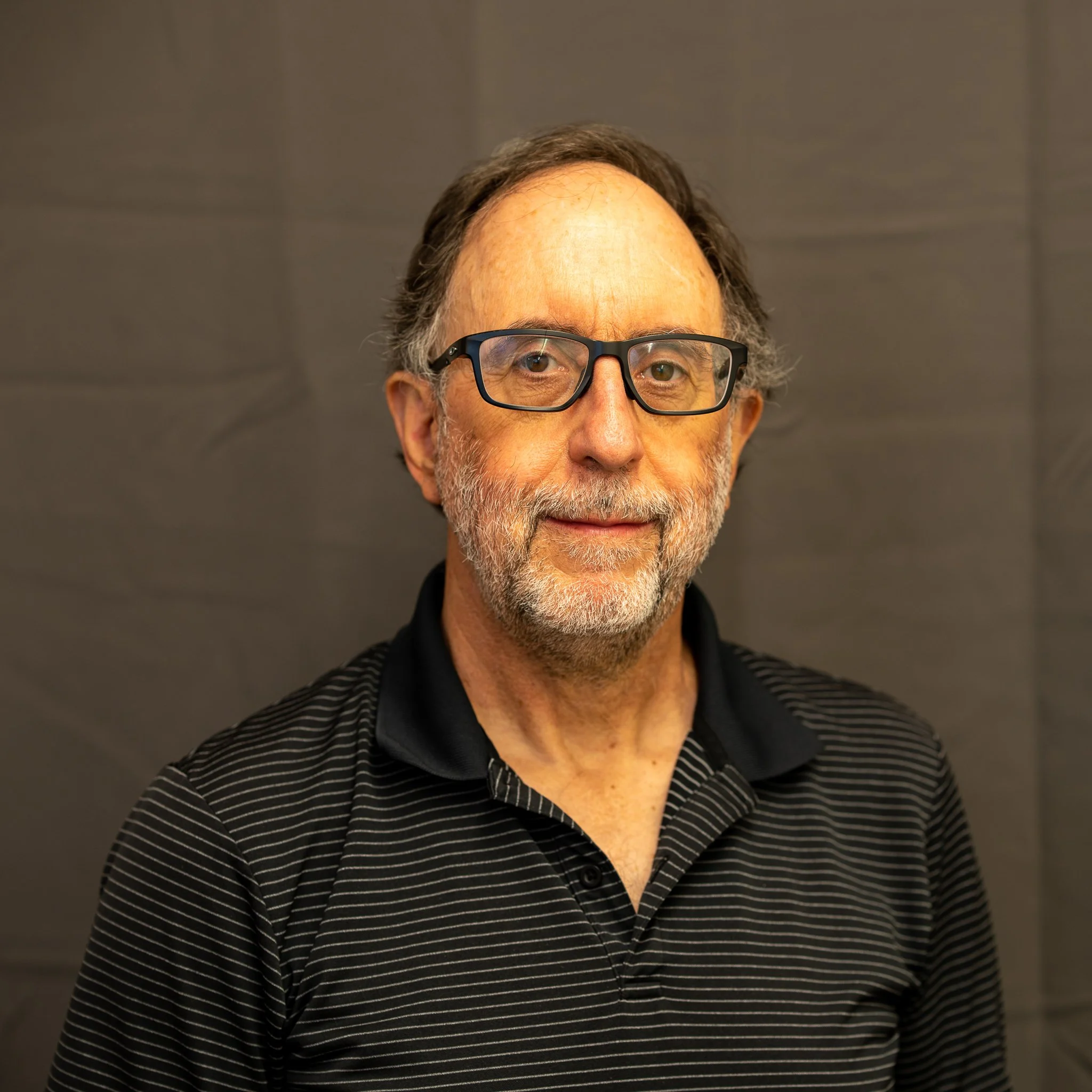
Doug Brugge, grew up in the American Southwest, including on the Navajo Nation. He has a PhD in cellular and developmental biology from Harvard University and a MS in industrial hygiene from the Harvard School of Public Health. He is Professor and Chair of the Department of Public Health Sciences at the University of Connecticut School of Medicine. For over a decade, he has directed a series of community-based participatory research projects about traffic-related air pollution funded by NIEHS, NHLBI, NLM, EPA, HUD and the Kresge Foundation. He has over 200 publications, including many on uranium mining. He is co-editor, with Timothy Benally and Esther Yazzie, of The Navajo People and Uranium Mining from the University of New Mexico Press and co-author, with Aaron Datesman, of The Dirty Secrets of Nuclear Power in an Era of Climate Change from Springer.
David Delmar
Board Director
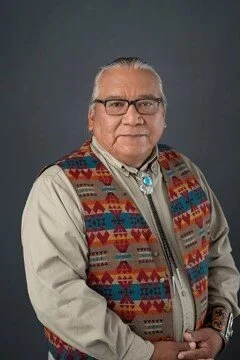
Yá’át’ééh (Hello). David Delmar is Kin Łichíi’nii (Red House) and born for Tó Dích’íi’nii (Bitter Water). His maternal grandfathers are Naneesht’ézhí Tóbąąhí (Zuni Edgewater), and his paternal grandfathers are Táchii’nii (Red Flowing into Water). He is originally from Ak’ih Dah Nást’ání in the northwestern part of the Diné Nation in northern Arizona.
Upon taking on doctoral studies, Mr. Delmar took a hiatus from writing Nihiinéé’, a four-page monthly insert for the Navajo Times written in the Diné Language. It included creative writings, cultural pieces, and a children’s page, all drawn from the culture, family experiences, and stories. He is retired but, as a consultant, translates, transcribes, and records for various entities. His personal consulting work and passion for the Diné language led him to pursue a doctorate to lend academic credence to his work. He considers it a contribution to be left behind for his progeny and people (ANTI-Records, 2016). He is currently teaching the Diné language with the Flagstaff Unified School District.
Mr. Delmar received a BA in Biblical Studies from Indian Bible College in Flagstaff, Arizona; a BSBA in General Management from Northern Arizona University; an MS in Organizational Leadership from Grand Canyon University; and is pursuing a Doctor of Education in Organizational Leadership. His dissertation will examine how a well-designed Diné language curriculum pathway for K-12 learners in Diné Nation schools will contribute to language revitalization and preservation. The qualitative research will examine the global strategies employed by Diné leaders and educators to reverse the decline of the Diné language.
Mr. Delmar has five grown children, one having just graduated from college, another still in college, a 4-year-old grandson, and a 2-year-old granddaughter. He loves golf, guitar, and Rezball (basketball by Rez “rules”).
Reference
ANTI-Records. 2016, December 8. Sean Rowe “To Leave Something Behind” [Video]. YouTube. Retrieved February 23, 2023, from https://youtu.be/mSgnC5eQ5u0.
Michael lerma
Board Director
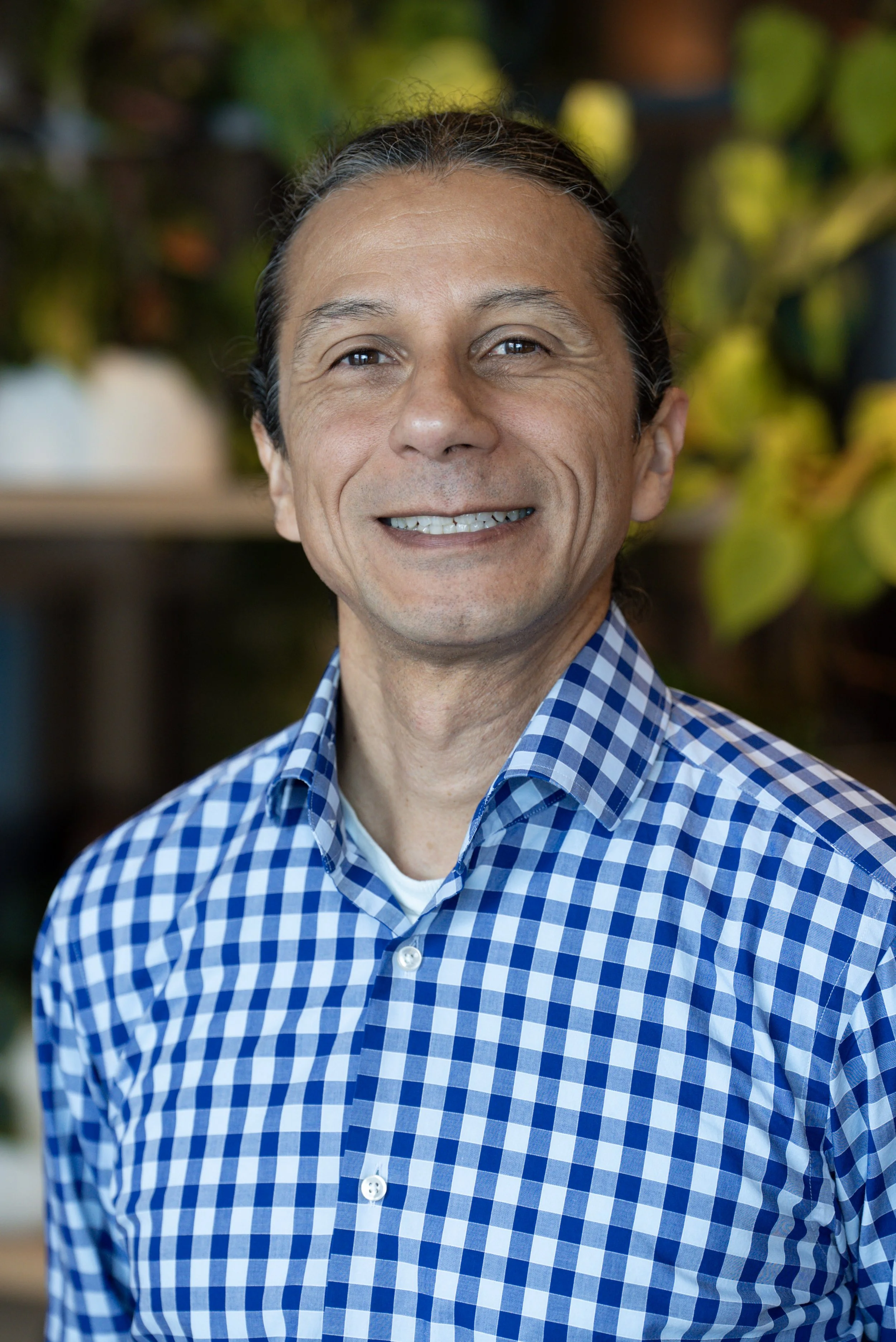
Michael Lerma, Ph.D. (P’urhépecha) was born and raised on the Central Coast of California. His recent research explores the efficacy of traditional Diné institutions of governance. Lerma received a Bachelor of Arts in History from UCLA, a Master of Arts in Political Science and a Doctorate in American Indian Studies from the University of Arizona. His background in American Indian Studies and International Relations has benefited his work within academic institutions, where his research advocates for future Native Nation building via consolidation of Indigenous interests and the expansion of Native Nation control of norms within the international political economy. He is author of ‘Indigenous Sovereignty in the 21st Century: Knowledge for the Indigenous Spring’ and ‘Guided by the Mountains: Navajo Political Philosophy and Governance’.
kevin patterson
Board director
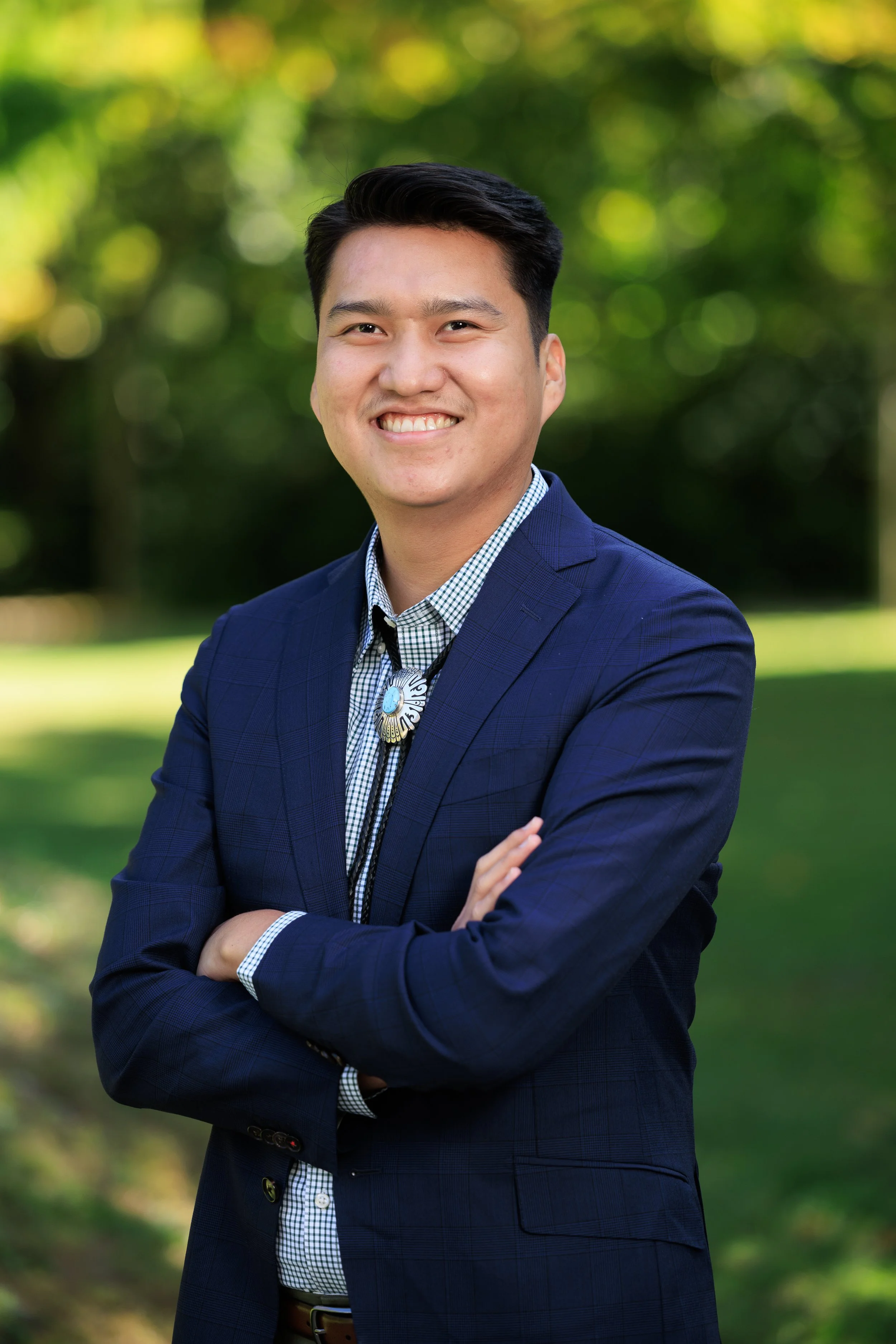
Kevin Patterson is ‘Áshįįhi, born for Tábaahá, and is a scientist and environmental justice scholar from Farmington, NM. He is currently a Ph.D. student in the Environmental Health Sciences department at Columbia University. Kevin’s research and community work seeks to address inequities in water quality and access. He is interested in understanding the relationship between heavy metal exposures through drinking water, and cardiometabolic and nephropathic outcomes. He is particularly interested in focusing his work on communities that are disproportionately exposed to these contaminants with the goal of informing dose-response and risk assessment regulatory action. He is a senior Agents of Change in Environmental Justice Fellow and strongly believes in solutions that center community perspectives and needs. He holds a B.A. in Native American Studies from Dartmouth College and an M.P.H. in Environmental Health Sciences with a focus in Molecular Epidemiology from Columbia University Mailman School of Public Health.
Previous Presidents of the Board of Directors
Below is a list of our previous presidents in reverse chronological order. Each president provided their unique leadership style in working with the full board to design and administer our conferences and symposiums.
In 2000, Navajo Studies Conference, Inc. registered as a 501(c)3 non-profit status organization with the Navajo Nation in Arizona and created our first Board of Directors.
2025-Present: Homer Hubbell
2023-2025: Sam Slater
2022-2023: Adrian Lerma
2017-2021: Wendy S. Greyeyes
2015-2017: Homer Hubbell
2012-2015: Tiffany S. Lee
2009-2012: Lloyd L. Lee
2007-2009: Lester Tsosie
2006-2007: Miranda Haskie
2004-2006: Lloyd L. Lee
2003-2004: Mary Alice Tsosie
2001-2003: Rena Martin
2000-2001: David Brugge